
Digital infrastructure powers the services Americans rely on every day.
It helps families stay connected through video calls and messages. It allows people to stream a movie at the end of a long day, listen to music on a morning run, or access the information they need on a personal computer. It helps Americans file their taxes more easily, pay bills securely, and manage their finances online. In hospitals, it supports faster and more accurate diagnoses. In classrooms, it helps teachers personalize learning. And in emergencies, it helps first responders coordinate when every second matters.
Behind these everyday activities is digital infrastructure. Data centers power the applications and services that help manage your home, keep hospitals running, secure financial transactions, support classrooms, and allow businesses large and small to operate and grow.
These facilities also generate significant state and local tax revenue that helps fund schools, roads, emergency services, and public safety.
Turning innovation into real-world progress requires reliable energy, modern infrastructure, and smart, forward-looking policies.

Put simply,
Digital infrastructure powers what matters most in American communities.
The Power to Lift Up Communities
The power to lower energy costs
The power to fund local schools
The power to create local jobs and upskill workers
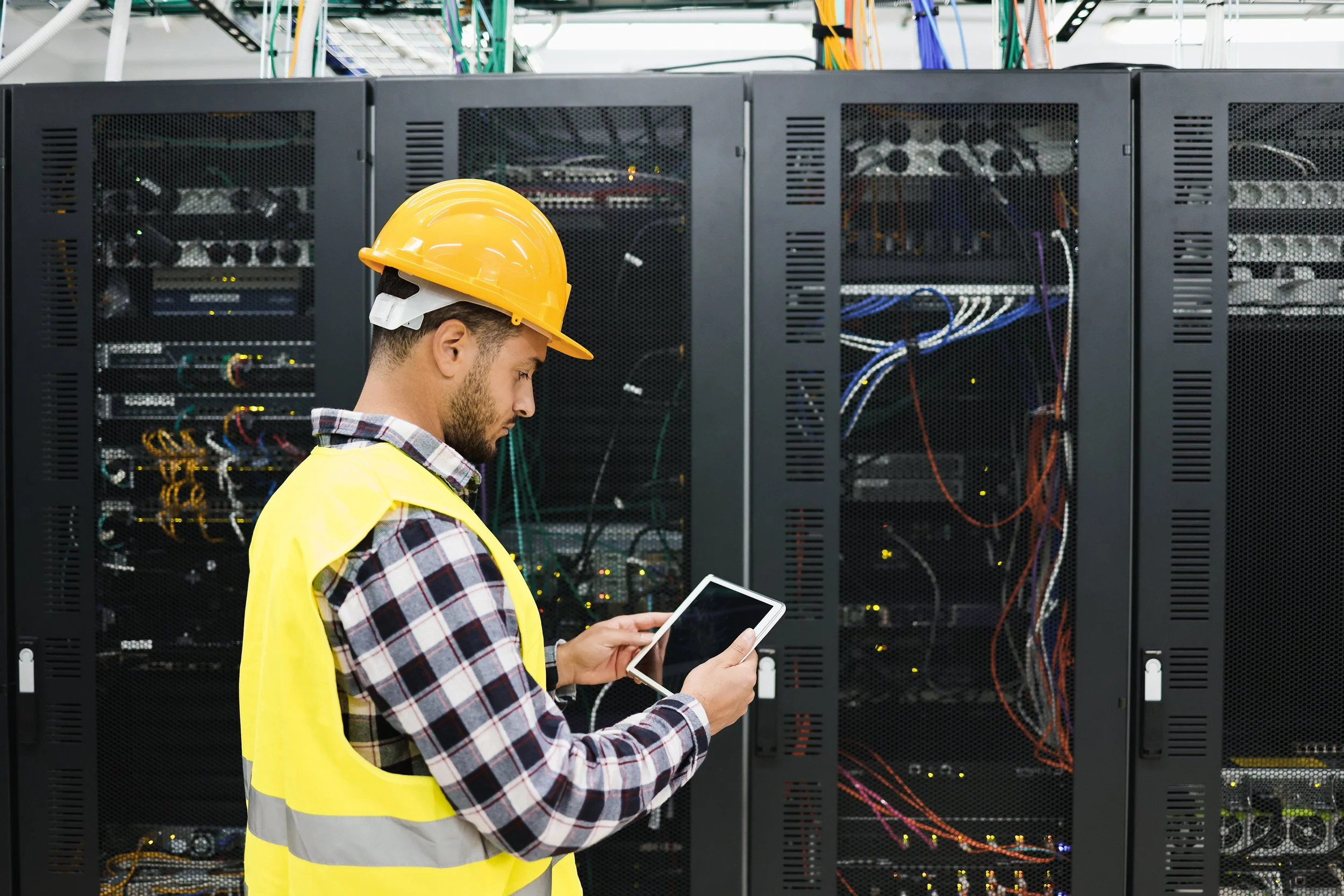
The Power to Simplify Everyday Life
The power to pay your bills online
The power to know when a storm is coming
The power to help students and small business owners

The Power to Revolutionize Medical Breakthroughs
The power to find a cure
The power to diagnose diseases faster
The power to process data that saves lives

The Power to Support Emergency Response
The power to support life-saving care
The power to support 911 and emergency communications
The power to coordinate help when it matters most

Data centers power the applications and services that keep America running.
They help manage your home, keep hospitals running, secure financial transactions, support classrooms, and allow businesses large and small to operate and grow.

These data centers generate significant state and local tax revenue.
Revenue that goes directly back into the communities that host them — funding the services families count on every day.